


Tinnitus Relief: 8 Proven Ways to Quiet the Ringing in Your Ears
It’s 2 AM. The house is quiet, everyone is asleep, and you’re still awake. Not because of stress or your phone, but because the ringing in your ears won’t stop. You flip the pillow, cover your ears, and change sides repeatedly, hoping the sound will fade.
But in the silence of the night, the ringing, buzzing, or hissing feels impossible to escape. Over time, tinnitus becomes more than noise. It becomes exhaustion, frustration, anxiety, and sometimes fearful.
If you’re searching for relief, you’re not alone. Tinnitus affects more than 50 million Americans. This guide shares 8 proven ways to quiet the ringing and help you find a little peace again. Before we explore the remedies that may help quiet the ringing, let’s first understand what tinnitus really is and the warning signs that mean it may be time to see a doctor.
What is Tinnitus?
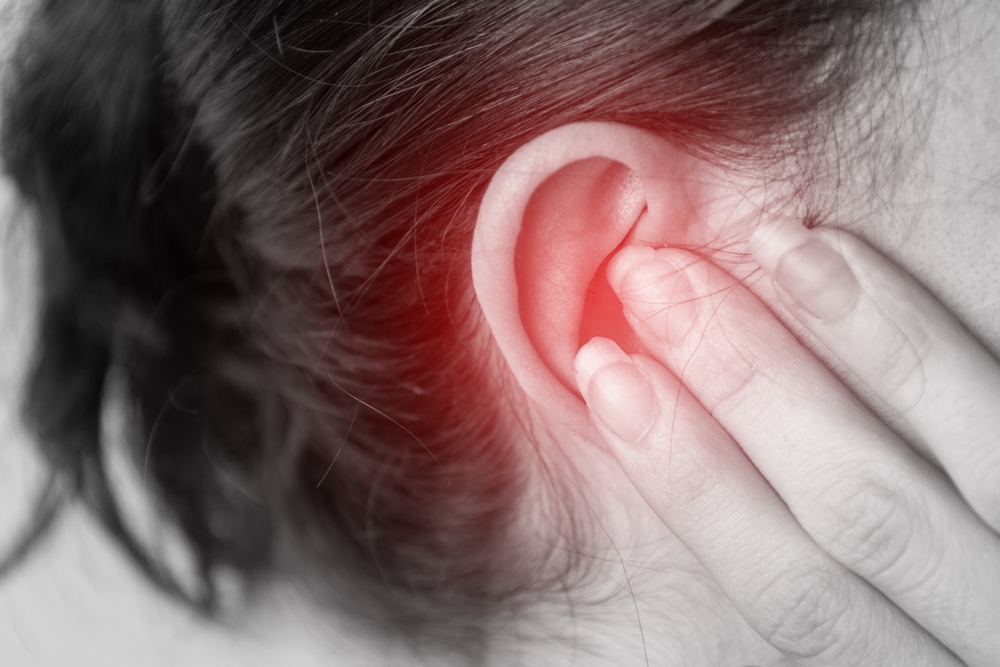
Tinnitus (TIN-uh-tus) is the medical name for hearing a sound no one else can hear usually ringing, buzzing, or hissing. It is not a disease. It is a symptom. The sound does not come from your ears. It comes from your brain, which fills in frequencies your damaged inner-ear hair cells can no longer send. That phantom sound is tinnitus.
When to See a Doctor Right Away
In most cases tinnitus isn’t dangerous. See an audiologist or physician soon if any of these apply:
- Ringing in only one ear
- Sound that pulses in time with your heartbeat
- Sudden onset, especially with hearing loss
- Dizziness, vertigo, or balance issues
- Recent head or neck injury
- Lasting longer than a week
- If sudden hearing loss comes with the ringing, get seen within 72 hours. Early treatment matters.
8 Proven Ways to Quiet the Ringing
As per research, there is no instant switch to silence tinnitus completely, but the right combination of treatments and lifestyle changes can make the ringing far less noticeable over time. Here are eight proven ways that may help.
1. Sound Therapy: Give Your Brain Something Else to Listen To
It is the fastest relief, and you can start it tonight. Tinnitus feels louder at night because silence has nothing to compete with. Add gentle background sound to a fan, a white noise machine, soft music, or a free app like myNoise and the ringing fades into the background.
The trick is to set the volume just below your tinnitus. You should still hear it faintly. This trains your brain to stop focusing on it.
Note: Avoid noise-canceling headphones and earplugs at night. Both make tinnitus worse by removing all competing sounds.
2. Hearing Aids: Often the Single Biggest Relief
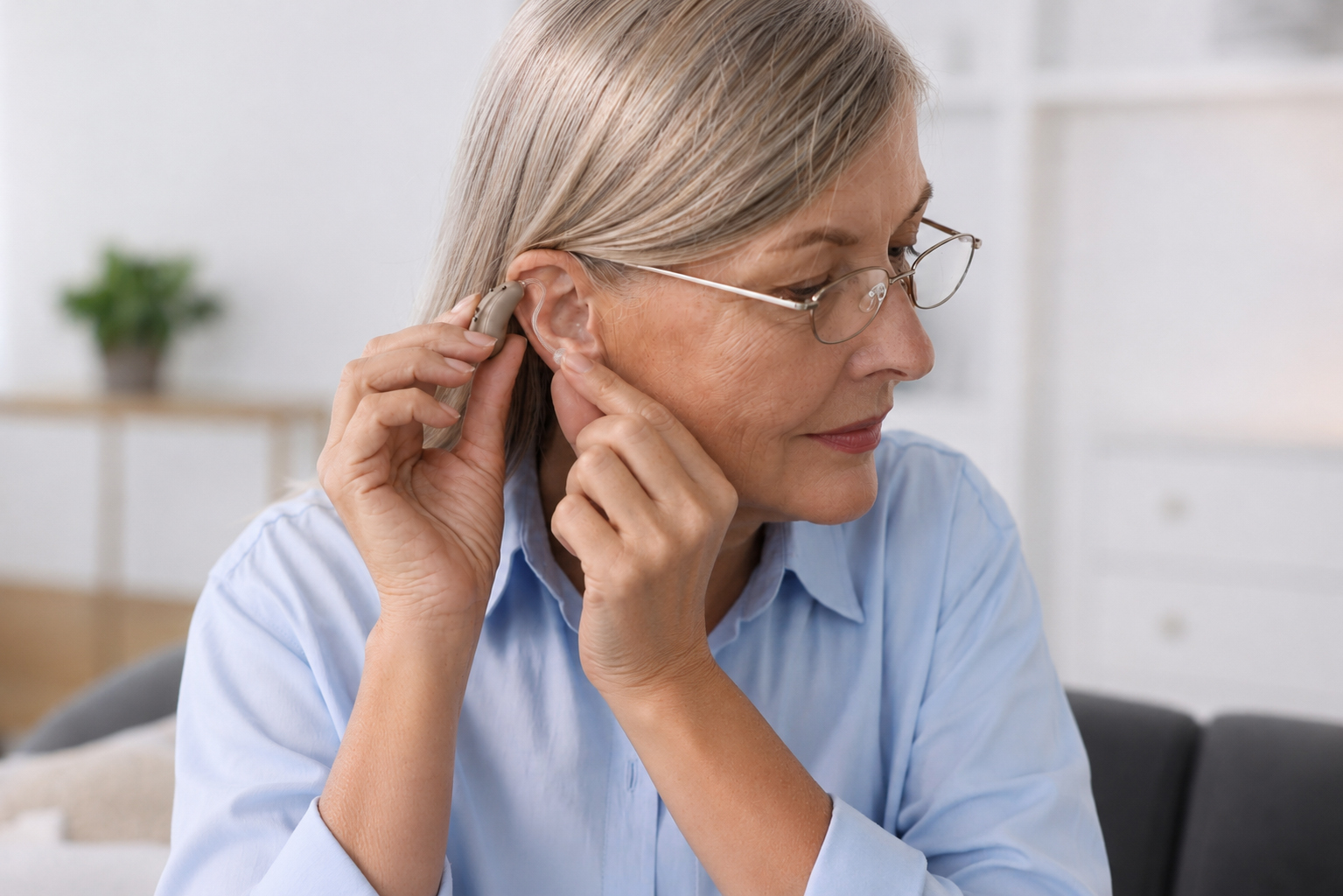
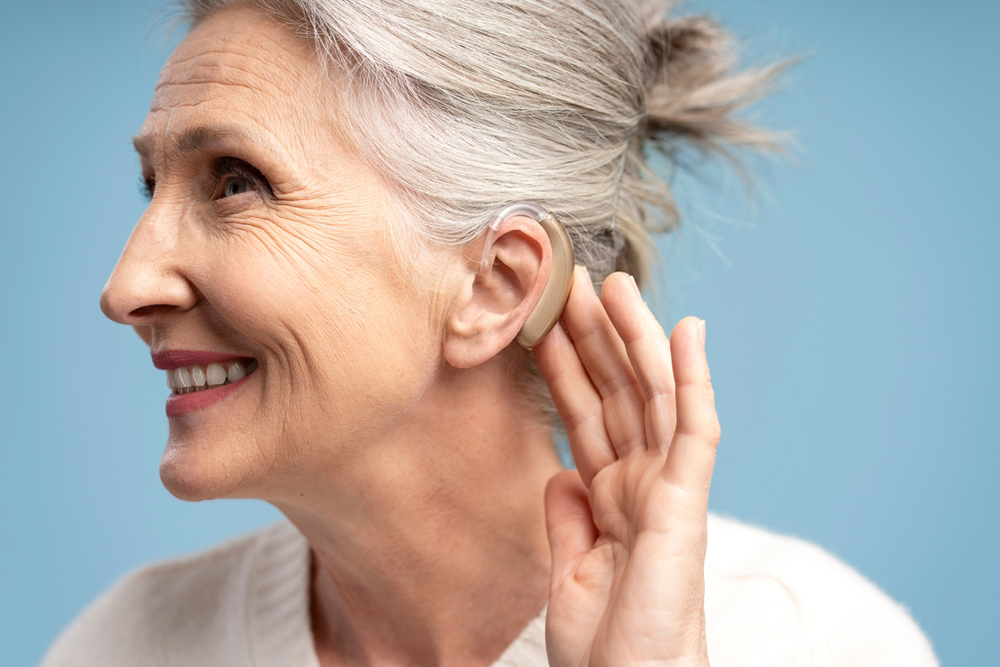
If your tinnitus comes with hearing loss, hearing aids may be the most powerful tool you have. Hearing aid restores the frequencies your brain has been missing; your brain stops generating phantom sound. Tinnitus volume often drops significantly within weeks.
Modern hearing aids include built-in sound generators, notch filters tuned to your tinnitus frequency, and Bluetooth streaming for sound therapy. An audiologist can tell you within an hour whether hearing loss is part of your picture.

3. Cognitive Behavioral Therapy (CBT): Retrain Your Reaction
CBT has the strongest research evidence of any tinnitus therapy. It doesn’t make the ringing stop; it changes how your brain reacts to it.
That sounds like a consolation prize until you live in it. The anxiety, dread, and sleep loss often hurt more than the sound itself. CBT targets that suffering directly, and many patients say it feels like the volume dropped even when objectively it didn’t.

4. Tinnitus Retraining Therapy (TRT): Teach Your Brain to Tune It Out
You don’t notice the hum of your refrigerator until someone points it out. That’s a habituation.
TRT is a 12–24-month program that combines low-level sound therapy with counseling from an audiologist. The timeline is long, but the results are durable. Most people who complete TRT go entire days barely noticing their tinnitus.
5. Mindfulness and Stress Reduction
Stress makes tinnitus louder. Loud tinnitus causes stress. Breaking that loop is one of the most underrated parts of relief.
Five to ten minutes a day of any of these helps:
- Slow breathing (five seconds in, seven seconds out)
- Body scan meditations
- Progressive muscle relaxation before bed
- Gentle yoga
- Mindfulness-Based Tinnitus Stress Reduction, an 8-week program built for tinnitus
The goal is never to feel stressed. It’s teaching your nervous system that ringing isn’t a threat.
6. Sleep Strategies Built for Tinnitus
Nighttime is the hardest part. A layered approach:
- Keep a sound machine on low all night
- Cut caffeine after early afternoon
- No alcohol within three hours of bed
- Cool room (65–68°F), dark, phone face-down
- 10-minute breathing exercise as you settle in
If you can’t fall asleep, don’t lie there fighting it. Get up, sit in a dim light, do something boring, and return to bed when drowsy. Sleeping pills usually don’t fix tinnitus and can make habituation harder.
7. Treat the Root Cause
Tinnitus is often a symptom of an underlying issue, and identifying the cause is an important first step toward relief.
- Earwax buildup: A blockage of earwax can press against the eardrum and trigger ringing. In some cases, removing it professionally can quickly reduce symptoms. Avoid cotton swabs, as they often worsen the blockage.
- TMJ disorder: Jaw joint problems can affect nearby nerves and lead to ear ringing. Signs may include jaw pain, stiffness, or clicking while chewing.
- Medications: Some drugs, including certain antibiotics, high-dose pain relievers (NSAIDs), antidepressants, and diuretics, may cause tinnitus. Never stop prescribed medication without medical advice.
- High blood pressure: Poorly controlled blood pressure can contribute to pulsatile tinnitus, where the sound matches your heartbeat. Managing it may help reduce symptoms.
- Hearing loss: This is the most common cause. When hearing declines, the brain can create phantom ringing sounds to compensate for missing input.
8. Get a Professional Evaluation and Explore New Treatments
Tinnitus research has moved fast in recent years. Newer options worth knowing about:
- Lenire: An FDA-cleared device combining sound with mild electrical stimulation of the tongue. Most patients who use it consistently report meaningful relief.
- Notched music therapy: Music with your tinnitus frequency filtered out, which reduces brain hyperactivity over time.
- Bimodal neuromodulation: The category Lenire belongs to, with more devices in development.
A good audiologist looks at the whole picture your hearing, your tinnitus profile, your lifestyle, your sleep then builds a plan around what you actually need.


